
After more than a decade as an HVAC technician, I’ve learned that most homeowners don’t really think about what’s happening inside their air ducts until something forces their attention—a burst of dust from a vent, a persistent odor, or worsening allergies, professional duct cleaning often ends up in the center of that first conversation I have with them, usually right after they realize the problem isn’t going away on its own.
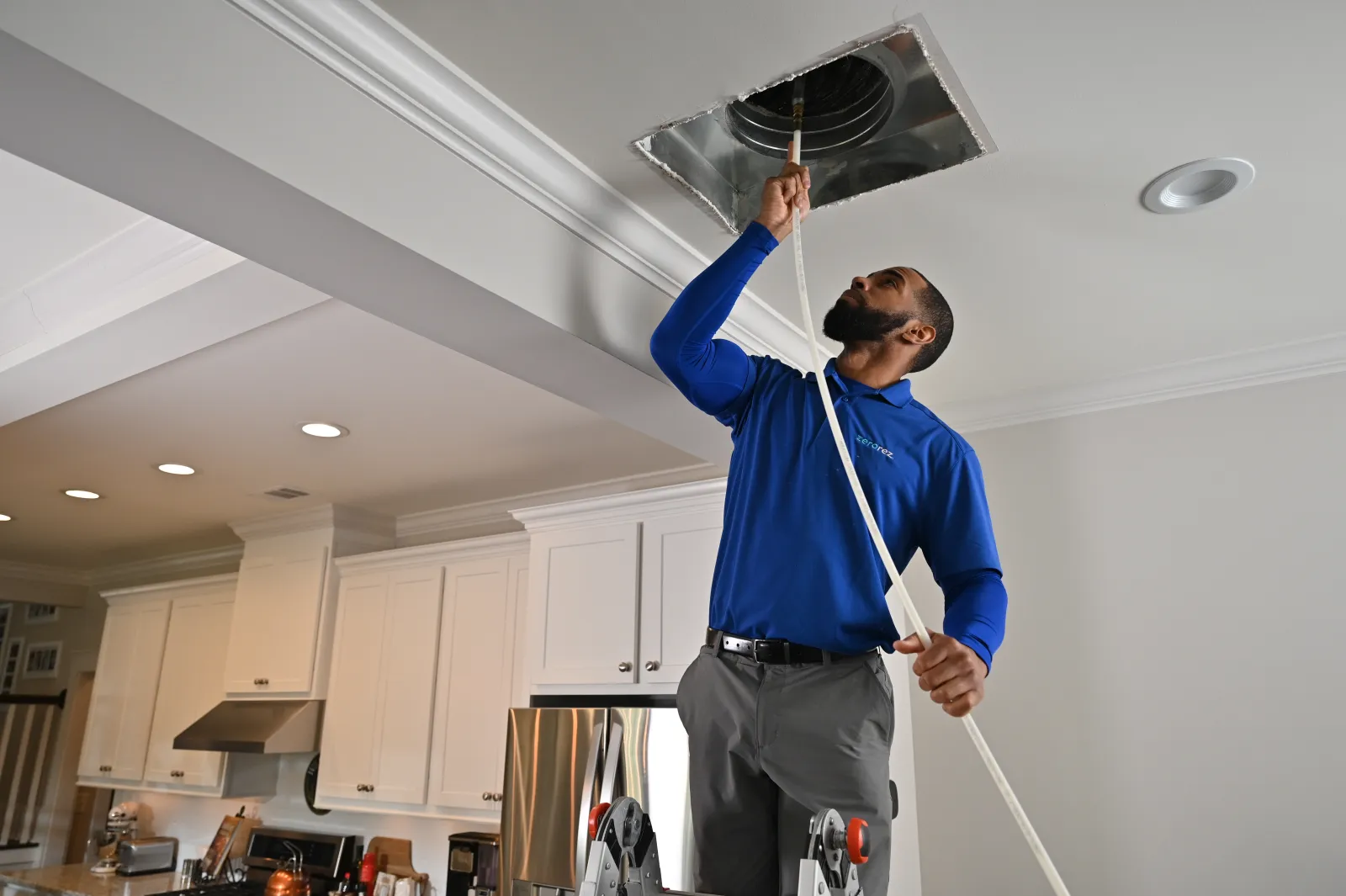 I still remember a call from a family who couldn’t figure out why their brand-new air purifier didn’t seem to make any difference. The purifier was fine; the issue was the layer of dust and pet dander lining the return ducts. When I opened the main trunk line, the homeowner looked at me and said she’d never imagined the inside of her system could look like that. I’ve seen that same reaction dozens of times over the years.
My training in HVAC diagnostics taught me early on that airflow resistance is the hidden culprit behind a surprising number of system inefficiencies. During my apprenticeship, my mentor used to send me on “airflow hunts,” where I’d check static pressure before and after cleaning. The first time I watched the reading drop nearly in half after clearing a clogged return line, it clicked for me: a duct system isn’t just a pathway for air; it’s part of the machine. If debris chokes part of it, the entire system strains, sometimes enough to shave years off its lifespan.
I’ve also come across situations where duct cleaning wasn’t the right first step. A homeowner once hired me specifically to clean their ducts because they suspected mold. Their neighbor had insisted duct cleaning alone would solve the issue. But a quick inspection showed that the real problem was a slow leak in the attic causing moisture to seep into the insulation around the ducts. Cleaning would have been a temporary fix at best. I advised them to repair the leak and replace the compromised insulation before touching the ducts. They later thanked me for saving them from spending several thousand dollars in the wrong direction.
Most people are surprised to learn how much of my job is assessment rather than cleaning itself. I’ve found that the ductwork tells a story about how a home has been lived in—pets, renovations, smoking, even how often the filters were changed. One of the most striking cases I ever handled was a couple who had just completed a major basement remodel. Despite doing “everything right,” their HVAC system was pulling in drywall dust for weeks afterward. Their filters were overwhelmed. By the time I arrived, their supply lines looked as if someone had sifted plaster into them. A deep cleaning returned their airflow to normal, but the bigger lesson was simple: construction dust goes everywhere, even places homeowners don’t think to check.
If I had to summarize the biggest misunderstanding I see, it’s the idea that duct cleaning is a routine chore everyone needs every year. In my experience, it’s situational. Households with shedding pets, ongoing allergies, or heavy indoor activity tend to benefit more frequently. Others may go years without needing a full service. What matters is understanding the signs: excessive dust despite regular cleaning, unexplained musty odors, uneven airflow, or a blower motor that seems to be working harder than before.
I’ve come to believe that professional duct cleaning isn’t really about spotless metal inside the walls; it’s about restoring the health and efficiency of a system that quietly supports the comfort of a home. When done for the right reasons, it can make a visible difference—lighter dusting loads, easier breathing, quieter HVAC performance. And from a technician’s point of view, there’s something satisfying about opening a vent that once kicked up clouds of debris and seeing clean, unobstructed airflow where there used to be chaos.